NAIDOC Week is a significant national event that celebrates the history, culture, and achievements of Aboriginal and Torres Strait Islander peoples. Schools across Australia use this occasion to provide meaningful learning experiences that promote cultural understanding, respect, and inclusion.
Planning engaging NAIDOC Week activities allows schools to connect classroom learning with real cultural knowledge. These activities can be delivered across all year levels and adapted to suit different school environments, from early learning centres to large primary schools.
NAIDOC Week also provides an opportunity for schools to strengthen relationships with local communities while supporting the broader goals of reconciliation and cultural awareness.
Why Schools Celebrate NAIDOC Week
Participating in NAIDOC Week helps students develop a deeper understanding of Australia’s First Nations peoples and the importance of cultural respect. It also supports the Aboriginal and Torres Strait Islander Histories and Cultures cross-curriculum priority within the Australian Curriculum.
Schools often incorporate NAIDOC Week activities to:
- Promote cultural awareness and inclusion
- Support curriculum learning outcomes
- Encourage respect for diversity
- Build connections with local communities
- Provide engaging educational experiences
- Reinforce school values around respect and community
These outcomes contribute to a positive school culture and help students build knowledge that extends beyond the classroom.
Popular NAIDOC Week Activities for Primary Schools
Primary school students respond well to interactive and creative learning experiences. Activities that combine participation with storytelling and cultural learning are particularly effective during NAIDOC Week.
Aboriginal Art Activities
Art projects are one of the most widely used NAIDOC Week activities in schools. Students can learn about traditional symbols, patterns, and storytelling methods before creating their own artworks.
Examples include:
- Painting artworks inspired by cultural stories
- Creating collaborative class murals
- Designing posters that reflect the annual NAIDOC theme
- Exploring the meaning behind traditional symbols
Art activities encourage creativity while helping students understand how culture can be expressed visually.
Storytelling and Cultural Learning Sessions
Storytelling is a central part of Aboriginal culture and an effective way to engage students of all ages. Schools may invite cultural presenters to share stories that teach values, history, and connection to Country.
These sessions can help students:
- Understand cultural traditions
- Learn about local history
- Develop listening and reflection skills
- Build respect for different perspectives
Storytelling activities can be delivered in classrooms, school halls, or outdoor learning spaces.
Music and Dance Workshops
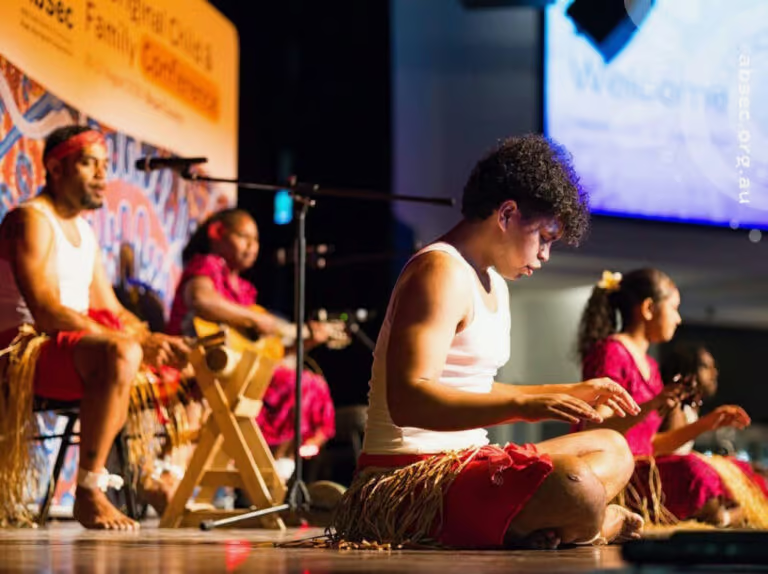
Music and movement activities provide an engaging way for students to participate in cultural learning. Our Workshops may include traditional songs, rhythms, and dance styles that reflect cultural storytelling.
Benefits of music and dance activities include:
- Encouraging participation and teamwork
- Supporting physical activity and coordination
- Reinforcing cultural knowledge through movement
- Creating memorable shared experiences
These sessions are particularly popular for whole-school assemblies or special event days.
Cultural Research and Classroom Projects
Older students often benefit from structured research activities that explore historical and contemporary topics related to Aboriginal and Torres Strait Islander peoples.
Common classroom project ideas include:
- Researching local Aboriginal communities
- Investigating significant historical events
- Exploring the meaning of the annual NAIDOC theme
- Creating presentations about cultural leaders
- Studying local landmarks and heritage sites
These projects help students build research and critical thinking skills while developing cultural knowledge.

NAIDOC Week Activities for Early Learning Centres and Kindergartens
Early childhood settings often focus on simple, sensory-based activities that introduce cultural concepts in an accessible way. Activities should be age-appropriate, engaging, and focused on participation.
Examples include:
- Listening to stories about animals and nature
- Exploring music through rhythm and movement
- Creating artworks using natural materials
- Learning greetings from local Aboriginal languages
- Discussing caring for the environment
These experiences help young children develop early awareness of cultural diversity and respect for others.
Whole-School NAIDOC Week Event Ideas
Many schools choose to organise a larger event to bring the school community together during NAIDOC Week. These events can create a sense of shared participation and celebration.
Common whole-school activities include:
- Cultural assemblies or performances
- Guest speaker presentations
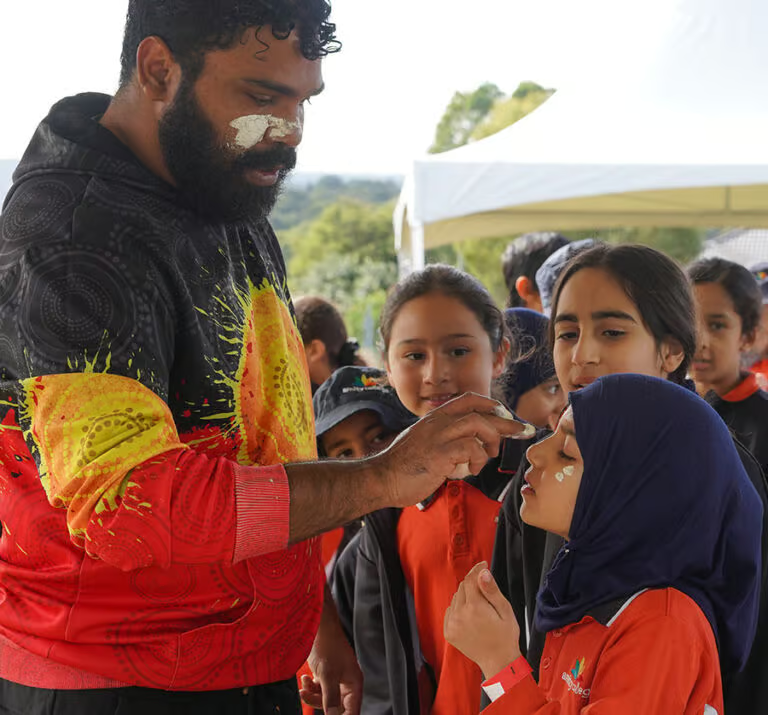
- Outdoor cultural demonstrations
- Community celebration days
- Student art exhibitions
- Flag raising ceremonies
Whole-school events provide an opportunity to involve students, staff, and families in a coordinated program.
Incorporating an Aboriginal Incursion into NAIDOC Week
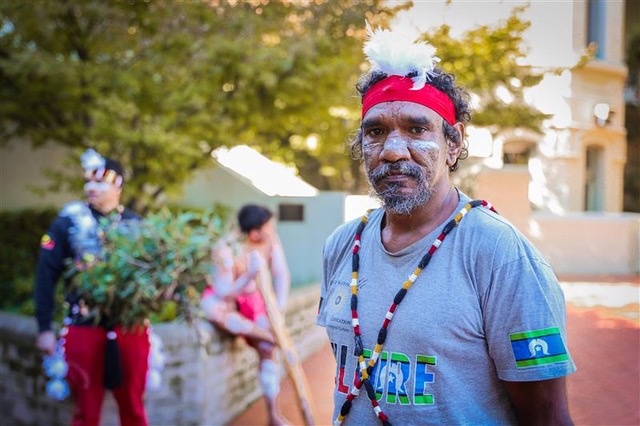
One of the most effective ways to deliver authentic cultural learning during NAIDOC Week is to host an Aboriginal incursion. Bringing experienced cultural educators into the school allows students to learn directly from knowledgeable presenters.
An incursion can:
- Provide structured educational sessions
- Deliver culturally accurate information
- Engage students through hands-on participation
- Support curriculum learning objectives
- Create a focal point for the week’s activities
Many schools schedule incursions as a central event within their NAIDOC Week program.
Planning NAIDOC Week Activities in Advance
Successful NAIDOC Week programs require early planning and coordination. Schools that prepare ahead of time are more likely to secure presenters, organise resources, and deliver well-structured activities.
Recommended planning steps include:
- Confirming dates for school celebrations
- Identifying suitable activities for each year level
- Booking cultural presenters or incursions
- Preparing teaching materials and resources
- Communicating plans to staff and families
Starting preparations early helps ensure the program runs smoothly and meets educational goals.
When to Start Planning for NAIDOC Week
NAIDOC Week is typically held in July each year, often during school holiday periods in some states. As a result, many schools schedule their celebrations in the weeks immediately before or after the official dates.
Because demand for cultural presenters increases significantly during this time, early booking is strongly recommended. Many schools begin planning their NAIDOC Week activities at least one school term in advance to secure availability and coordinate their program effectively.