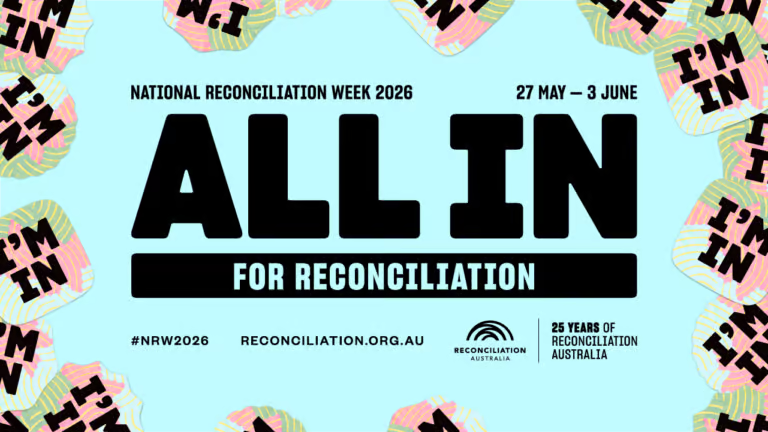
May 27 – June 3 2026: ‘All In’
Reconciliation Week is a time for all Australians to reflect on the nation’s history and the ongoing journey toward reconciliation with Aboriginal and Torres Strait Islander peoples. It’s about building respect, understanding, and stronger relationships between Indigenous and non-Indigenous Australians.
Key Points to Understand:
- Why these dates matter:
- May 27: Anniversary of the 1967 Referendum, which allowed Indigenous Australians to be counted in the census and gave the federal government power to make laws for them.
- June 3: Anniversary of the Mabo decision (1992), which legally recognized Indigenous land rights.
- Purpose:
- Celebrate Indigenous culture, achievements, and contributions
- Recognize past injustices and promote equality
- Encourage meaningful actions toward reconciliation
All Year Cultural Engagement for Workplaces and Schools
First Nations culture is a living, thriving part of Australia – and it deserves recognition every day, not just during NAIDOC or Reconciliation Week.
By booking our cultural experiences year-round, schools and workplaces show genuine respect, meaningful commitment, and an understanding that culture isn’t a one-off event. Engaging outside these key weeks is not tokenistic – it’s a way to build knowledge, strengthen connections with Aboriginal and Torres Strait Islander communities, and foster an environment where culture is seen, valued, and celebrated every day.
Make cultural learning and connection a continuous journey – for staff, students, and the wider community.
Your investment of learning from and engaging our Aboriginal and Torres Strait Island facilitators/educators helps you foster students and a workforce that is culturally adept, inclusive and reflective of the rich, diversity of Australia’s heritage.
All In for National Reconciliation Week 2026
The theme for National Reconciliation Week 2026 is All In, a call for all Australians to commit wholeheartedly to reconciliation every single day.
All In makes clear that reconciliation is not a spectator sport and that all of us must step away from the sidelines and take action to make change.
The theme also reminds us that reconciliation and advancing Aboriginal and Torres Strait Islander peoples’ rights isn’t a passive activity, and it is not solely the responsibility of First Nations people, who have carried the weight of championing, explaining and acting for far too long.
Reconciliation will not happen by itself, and it will not happen without all of us.