Aboriginal Cultural Awareness Programs in Sydney
Organisations throughout Sydney are placing greater emphasis on cultural understanding, community engagement, and responsible business practices. Aboriginal cultural awareness programs provide a practical way for workplaces to build knowledge of First Nations history, culture, and perspectives in a professional setting.
Delivered on-site at offices, conference venues, or corporate events, these programs are designed to suit business environments. They offer structured learning experiences that support staff development, strengthen organisational culture, and demonstrate commitment to reconciliation.
Sydney sits on the traditional lands of the Gadigal people of the Eora Nation. Many programs delivered in the region incorporate local cultural context, helping organisations better understand the heritage and significance of the communities connected to the land where they operate.
Why Organisations in Sydney Invest in Cultural Awareness Programs
Workplaces today are expected to demonstrate cultural competence and social responsibility. Engaging Aboriginal presenters provides employees with the opportunity to develop a deeper understanding of cultural protocols, communication practices, and historical context.
Common drivers for booking Aboriginal cultural programs include:
- Meeting diversity, equity, and inclusion objectives
- Supporting Reconciliation Action Plan commitments
- Building culturally respectful workplaces
- Strengthening relationships with Aboriginal communities and stakeholders
- Providing meaningful staff education and development
- Enhancing organisational reputation and community trust
These programs are increasingly recognised as a core component of modern workplace training rather than a one-off cultural activity.
Program Formats for Corporate and Professional Settings
Aboriginal cultural programs can be delivered in a variety of formats depending on organisational goals, staff numbers, and available time. Sessions are typically designed to be informative, interactive, and relevant to the workplace context.
Cultural Awareness Workshops
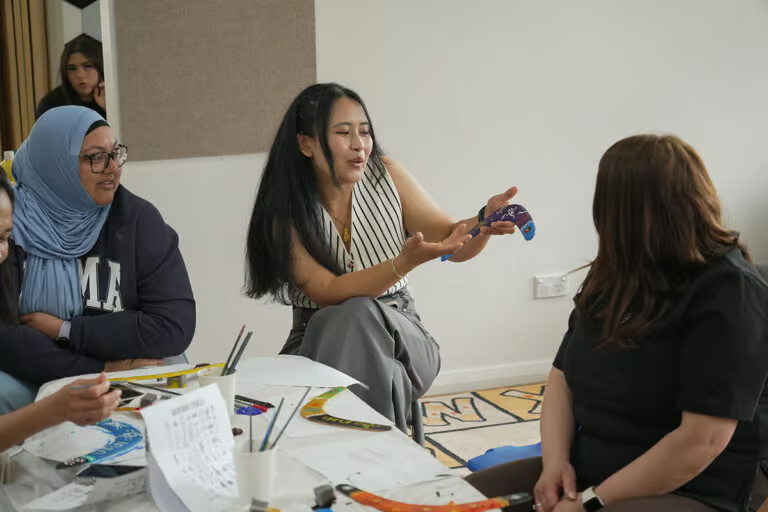
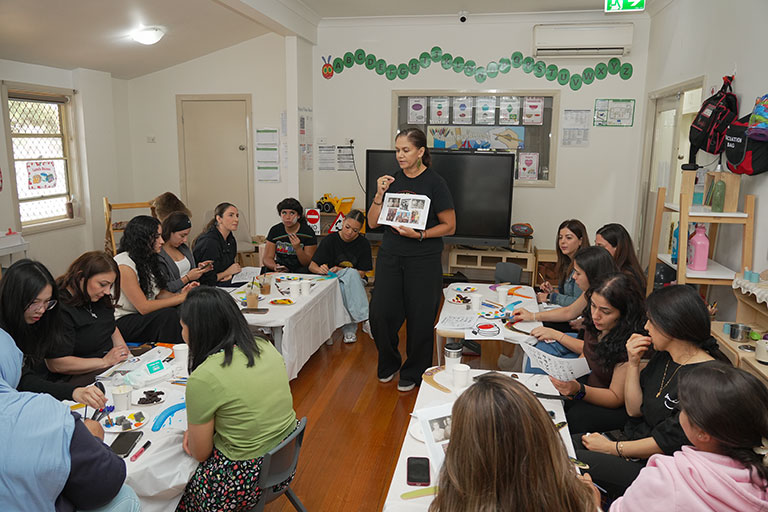
Structured workshops introduce participants to key topics such as Aboriginal history, cultural diversity, communication practices, and respectful engagement. These sessions often include opportunities for discussion and reflection.
Leadership and Management Briefings
Senior leaders and decision-makers may participate in tailored sessions that focus on governance, policy development, and culturally informed leadership practices.
Workplace Cultural Events
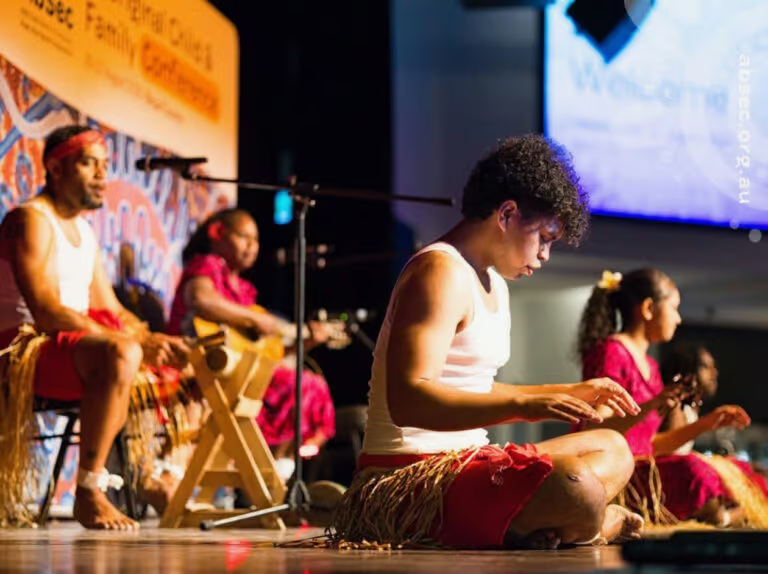
Organisations frequently incorporate cultural presentations into internal events, conferences, or staff gatherings. These sessions can provide an engaging and educational component to broader corporate programs.
NAIDOC Week and Reconciliation Activities
Many businesses schedule cultural experiences during nationally recognised events to encourage staff participation and demonstrate organisational support for reconciliation.
Benefits for Teams and Workplace Culture
Introducing Aboriginal cultural learning into the workplace can produce measurable benefits for both individuals and organisations. Employees gain greater confidence in engaging respectfully with diverse communities, while organisations strengthen their internal culture and external relationships.
Key outcomes often include:
- Improved cultural awareness among staff
- Increased confidence when working with Aboriginal stakeholders
- Stronger alignment with organisational values
- Greater employee engagement and participation
- Enhanced credibility in community and government partnerships
These benefits contribute to a more inclusive and informed workplace environment.
Industries That Commonly Engage Aboriginal Cultural Programs
A wide range of sectors in Sydney regularly incorporate cultural awareness initiatives into their operations. Programs can be adapted to suit industry-specific requirements and organisational structures.
Examples of industries that frequently book these services include:
- Government departments and local councils
- Construction and infrastructure companies
- Property and development organisations
- Health and community services
- Education and training providers
- Corporate offices and professional services firms
- Not-for-profit and community organisations
Programs can be delivered to single teams, entire departments, or organisation-wide audiences.
Planning an Aboriginal Cultural Program in Sydney
Effective planning helps ensure that the program aligns with organisational objectives and delivers meaningful outcomes for participants. Most providers work closely with organisations to tailor content and logistics.
Factors commonly considered during planning include:
- Number of participants
- Desired learning outcomes
- Session duration and format
- Venue and space requirements
- Scheduling within the business calendar
- Integration with existing training or events
Programs may range from short introductory sessions to extended workshops delivered over several hours.
Key Times of Year for Corporate Cultural Programs
Demand for Aboriginal cultural programs in Sydney typically rises around major national and organisational events. Advance booking is recommended during these periods to secure preferred dates.
High-demand periods often include:
- NAIDOC Week
- National Reconciliation Week
- Corporate planning and strategy cycles
- Staff development and training days
- Diversity and inclusion initiatives
- Community engagement campaigns
Scheduling early allows organisations to coordinate internal communications and maximise staff participation.
Selecting a Cultural Program Provider
Choosing the right provider is an important step in delivering a successful and respectful cultural experience. Organisations should look for presenters with strong community connections and experience working in professional environments.
Considerations may include:
- Cultural knowledge and credibility
- Experience delivering programs to workplaces
- Ability to tailor content to organisational needs
- Professional communication and facilitation skills
- Clear program structure and learning outcomes
Working with experienced presenters helps ensure the session is both informative and culturally appropriate.